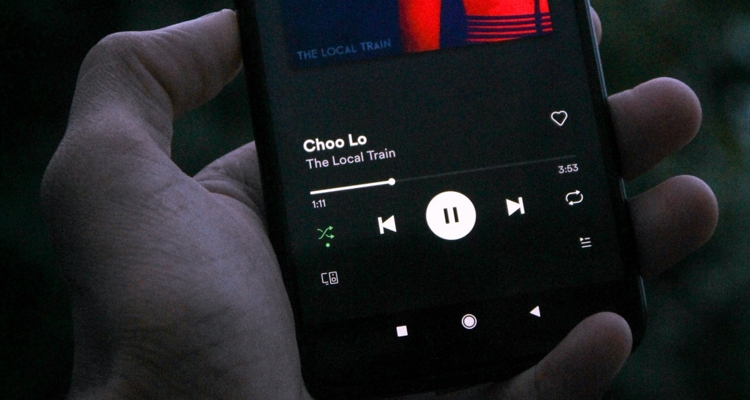
 On Friday, the Union of Musicians and Allied Workers tweeted an interesting tool. “You paid Spotify $120 this year if you had a premium subscription,” the tweet begins. “Guess how much of that went to the artists you love? Guess how much of that went to the executives, shareholders, and artists you didn’t even interact with?”
Source: Under 30% of My Spotify Premium Sub Went to Artists – What About You?
 To hear Abigail Disney explain it, there is a tug-of-war between the creativity that built the company’s brand, and a corporate ideology defined by business school best practices. And that something has changed over the past few decades to depress wages for workers at the same time that executives are seeing their compensation skyrocket.

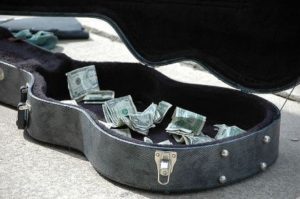 The problem isn’t the amounts. It’s not even that the timings and distribution of the royalties is so tightly controlled (although that is a part of it). It’s the fact that the artists don’t have control. They don’t have a say on when they get paid, even though it’s their hard earned cash.
 When the acquisition was announced, the Authors Guild, the American Booksellers Association, and the Association of American Literary Agents (formerly the AAR) all issued statements that were critical of the deal. While each organization had a particular take, all shared one thing in common: they were concerned about the increasing consolidation within trade publishing.